Tuesday, April 30, 2013

Follow PowerUpFit on Twitter

Looking for regular fitness tips?  Follow me @PowerUpFit on Twitter for regular fitness updates, latest nutrition news, and ways to PowerUp your workouts!  Help me reach 100 followers #smallsteps

https://twitter.com/PowerUpFit

Friday, April 5, 2013

The Lowdown on Cholesterol

The Lowdown on Cholesterol
Presented to you by: Sarah Recanati MS, RD, CNSC – Livingston Branch
Home Solutions Infusion Therapy

There are 2 types of cholesterol: High-density lipoprotein (HDL) also known as the good and Low-density lipoprotein (LDL) also known as the bad. Think of  ”good” and ”bad” cholesterol as two buses that transport cholesterol around the body.

The “bad” LDL cholesterol is like a one-way bus. It carries cholesterol from the liver, where it is made and recycled, and deposits it in the arteries, where it can cause blockage that leads to heart disease.

The “good” HDL cholesterol is like a second one-way bus. It picks up cholesterol from the arteries and brings it back to the liver, so the cholesterol does not harm arteries.

The less LDL you have and the more HDL you have, the lower your risk for heart disease.

Here are a few steps you can take for a healthier cholesterol profile:

Step 1: Limit your trans fat and saturated fat intake. Saturated fat raises your LDL (bad) cholesterol level more than anything else you eat.

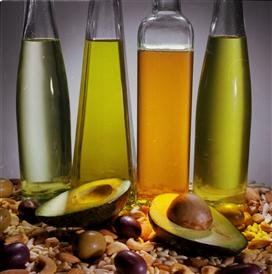
Step 2: Opt for healthy fats such as monounsaturated fats (olives, avoados, peanut butter, nuts and seeds) and omega-3 fatty acids found in fish, flaxseed, canola oil and soybean oils.

Step 3: Eat enough fiber. Beans, whole-grain cereals, oatmeal and fresh fruits and vegetables are good sources of fiber.

Step 4: Practice weight management. Control the calories you consume to take action in managing your weight.

Step 5: Exercise regularly. Regular exercise can help raise HDL (good) cholesterol and lower LDL (bad) cholesterol.

Step 6: Live a healthy lifestyle. Manage stress, do not smoke, do not drink excess alcohol, and pay attention to food labels.

The Perks of Coffee

The Perks of Coffee
Presented to you by Jenny Saganski, RD, CNSC – Livingston Branch
Home Solutions Infusion Therapy

If you rely on that morning cup of Joe to wake you up and keep you going, you aren’t alone!  If you think that morning cup of coffee provides nothing more to your body than a jolt of caffeine, you might be pleasantly surprised to learn that your daily intake of coffee provides some health benefits as well.  Caffeine has its perks, but can pose problems too. How much coffee is beneficial? How much is too much, and do you need to curb your consumption?

For most healthy adults, moderate doses of caffeine – 200-300mg – or about 2 to 4 cups of coffee a day, aren’t harmful and can actually be beneficial.  Coffee provides a good source of antioxidants. These antioxidants with other compounds in coffee can act as an anti-inflammatory and provide some disease preventing effects.  Coffee also contains some nutrients including potassium, niacin, vitamin E and magnesium – which help the body use insulin, possibly contributing to a decreased risk of developing diabetes.

Although moderate caffeine intake isn’t likely to cause harm, too much can lead to some unpleasant effects. Heavy caffeine use – more than 500 or 600 mg a day – may cause insomnia, nervousness, fast heartbeat and muscle tremors. While caffeine does not directly contribute to hypertension, it can cause a temporary rise in blood pressure. Certain groups, such as people with hypertension, anxiety disorders, heart arrhythmias or the elderly may be more susceptible to the adverse effects of caffeine. Some people are more sensitive to caffeine than others. If you are susceptible to the effects of caffeine, just small amounts – even one cup of coffee- may prompt unwanted effects such as restlessness and sleep problems.

The bottom line:
People can go on enjoying their cup of coffee!
2-4 cups of coffee a day is considered safe and can provide a beneficial boost unless you are pregnant or susceptible to the unwanted effects of caffeine, in which case you would want to limit your coffee intake to no more than 1 or 2 cups per day.

More than 4 cups of coffee per day has been shown to lead to adverse side effects.

Something to Snack On: Choosing Healthy Snacks

Something to Snack On
Presented to you by Jenny Saganski, RD, CNSC – Livingston Branch
Home Solutions Infusion Therapy

Although you may feel guilty about snacking, snacks aren’t necessarily bad.  In fact, snacks between meals can help manage hunger and reduce bingeing.  Eating a healthy snack, such as raw veggies or a piece of fruit, can tame your hunger without ruining your appetite for your next meal.  It is important to keep in mind snacking calories can add up fast.  The key to snacking is to keep moderation and balance in mind.

Choose healthy snacks:     

When shopping for snacks, always check the serving size and servings per package and compare The Nutrition Facts and ingredient list so that you can choose the healthiest option.  Have healthy snacks available at home and bring nutrient dense snacks to eat when on the go.

Know which food to reach for:      

Try to choose foods with high water or fiber content and few calories, no more than 100-200 calories, such as carrots, grapes or air-popped popcorn.  Adding a source of protein to your snack can help you to feel fuller longer.

Fruits and Vegetables:  Eating fruits and vegetables are always a safe bet because they are low in fat and calories, proved vitamins, minerals. The fiber in fruits and vegetables can provide a feeling of fullness. Just be sure to avoid high-calorie dips.

Whole grains:  Eating whole grain snacks such as low fat, whole grain crackers and pretzels and crisp breads are rich in fiber and complex carbohydrates which give you energy and staying power. Look for brands that are made with non-hydrogenated oils.

Nuts and seeds:  Nuts and seeds provide protein which can help you feel fuller longer.  They are high in fat, but are mostly a source of monounsaturated fat, which is a healthy kind of fat. You will want to keep your portion small (1/3 cups nuts or 1 Tbsp nut or seed butter) as nuts and seeds are high in calories.

Low-fat dairy products:  Yogurt, cheese, low-fat smoothies and other dairy products are packed with calcium, protein and many other vitamins and minerals. Be sure to choose low-fat versions with no added sugar.

Don’t sabotage snacking with unhealthy nibbles throughout the day; stick to nourishing foods whenever possible.  If you have a weakness for sugary items or junk food, do yourself a favor and don’t purchase these items next time you are at the grocery store.  Use snacking to your advantage – as a healthy way to reduce your overall caloric intake when the hunger pains hit!

For more healthy snack suggestions visit the Academy for Nutrition and Dietetics website at: www.eatright.org.

Thursday, April 4, 2013

The Skinny on Healthy Fats

The Skinny on Healthy Fats
Presented to you by Jenny Saganski, RD, CNSC – Livingston Branch
Home Solutions Infusion Therapy

While lowering your fat intake is generally good for your health, cutting fat out altogether is not the answer either.  Fat is not essentially bad.  It is when we eat too much of the wrong kinds of fats that we become more prone to develop a whole host of health problems.  The right kinds of fats, like monounsaturated and essential fatty acids, can actually offer us some great health-protective benefits when they are consumed in moderation.

Healthy Fats to Include in your Diet:

Omega-3 Fats: 
Omega-3 fatty acids (also known as essential fatty acids) are a type of polyunsaturated fat that may help to reduce inflammation, lower cholesterol and support heart health.

Foods that contain Omega-3 Fats to include in your diet:

• Fatty Fish such as Salmon, Albacore Tuna, Mackerel, Sardines and Trout
• Canola Oil
• Walnuts
• Flax Seed

Monounsaturated Fats: 
Monounsaturated fats can help to reduce bad cholesterol levels in your blood and lower your risk for heart disease and stroke.

Foods that contain monounsaturated fat to include in your diet:

• Nuts: almonds, cashews and peanuts
• Nut Butters: almond, cashew or peanut butter
• Seeds: sunflower and pumpkin seeds
• Olive Oil and Olives
• Avocados

For good health, you should eat some fats from both the polyunsaturated and monounsaturated foods listed.  Include your favorites from the lists but keep in mind that even “good fat” should be limited to no more than 30 percent of the total calories you eat.

Calcium & Vitamin D

Calcium and Vitamin D: You can’t use one without the other
Presented to you by: Sarah Recanati MS, RD, CNSC – Livingston Branch
Home Solutions Infusion Therapy

Calcium and vitamin D are the two most important nutrients for bone health. Your body is constantly breaking down old bone cells and growing new ones. To fuel bone growth and keep bone density strong you need a good supply of calcium, but you also need enough vitamin D because it is the key in absorbing calcium in the food you eat.

Your body cannot make calcium on its own so it is important to get plenty in your diet. You already know that dairy products are good sources of calcium but here are some other foods that are also high in calcium:

• Spinach
• Kale
• Okra
• Collards
• Soy beans
• White beans
• Some fish, like sardines, salmon, perch, and rainbow trout
• Foods that are calcium fortified, such as some orange juice, oatmeal, and breakfast cereal

It's a lot harder to get enough vitamin D from foods. Vitamin D is only found in a few foods and often in very small amounts. Foods that provide vitamin D include:

• Fatty fish, like tuna, mackerel, and salmon
• Foods fortified with vitamin D, like some dairy products, orange juice, soy milk, and cereals
• Beef liver
• Cheese
• Egg yolks

The best way to get vitamin D is from exposure to sunlight. Your body will make vitamin D when your skin is exposed for just minutes, but the amount made depends on the time of day, the season, where you live and your skin pigmentation.

Another way to get calcium and vitamin D is through supplements if you cannot get enough through food and sunlight exposure. You should talk to your doctor to see if supplements are right for you.

Wednesday, April 3, 2013

What Does "Organic" Really Mean?

What Does “Organic” Really Mean?
Presented to you by: Stacie Marone, MPH, RD, LDN – Somers Point Branch
Home Solutions Infusion Therapy

As Americans have become more and more conscious about where our food comes from the market for organic foods has grown exponentially.  However, terms such as “all natural,” “organic,” or “hormone-free” has turned the healthy consumer into a confused one.  Purchasing organic foods, especially produce, means that the food was harvested without the use of pesticides, insecticides or chemical fertilizers.

Here is an easy reference to use when shopping for organic foods:

100% Organic – Foods that are completely organic or made with 100% organic ingredients may display the USDA seal.

Organic – Foods that contain at least 95% organic ingredients may display the USDA seal.

Made with organic ingredients – Foods that contain at least 70% organic ingredients will not display the USDA seal but may list specific organic ingredients on the front of the package.

Contains organic ingredients – Foods that contain less than 70% organic ingredients will not display the USDA seal but may list specific organic ingredients on the information panel of the package.