Showing posts with label Fitness and Nutrition in the News. Show all posts

Thursday, June 27, 2013

How Does Obesity Impact Our Economy?

 The Economic Cost of Obesity

The literature and health professional side of Exercise Physiology, Nutrition, and Obesity Education recognizes the economic impact of obesity from the individual level up to policy making, but we struggle to communicate this impact to the public. Take a look at this video from AcademicEarth. org by following the link below, or viewing the embeded video.

Does it change your perception of our economy or obesity?  How do you feel about the relationship between socioeconomic status and obesity?

http://academicearth.org/electives/the-economic-cost-of-obesity/.

Created by AcademicEarth.org

Citation:
The economic cost of obesity [Web Video]. Retrieved from http://academicearth.org/electives/the-economic-cost-of-obesity/

Friday, April 5, 2013

The Lowdown on Cholesterol

The Lowdown on Cholesterol
Presented to you by: Sarah Recanati MS, RD, CNSC – Livingston Branch
Home Solutions Infusion Therapy

There are 2 types of cholesterol: High-density lipoprotein (HDL) also known as the good and Low-density lipoprotein (LDL) also known as the bad. Think of  ”good” and ”bad” cholesterol as two buses that transport cholesterol around the body.

The “bad” LDL cholesterol is like a one-way bus. It carries cholesterol from the liver, where it is made and recycled, and deposits it in the arteries, where it can cause blockage that leads to heart disease.

The “good” HDL cholesterol is like a second one-way bus. It picks up cholesterol from the arteries and brings it back to the liver, so the cholesterol does not harm arteries.

The less LDL you have and the more HDL you have, the lower your risk for heart disease.

Here are a few steps you can take for a healthier cholesterol profile:

Step 1: Limit your trans fat and saturated fat intake. Saturated fat raises your LDL (bad) cholesterol level more than anything else you eat.

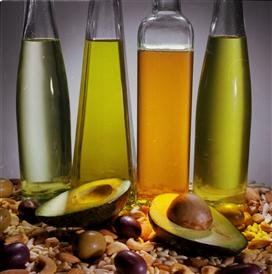
Step 2: Opt for healthy fats such as monounsaturated fats (olives, avoados, peanut butter, nuts and seeds) and omega-3 fatty acids found in fish, flaxseed, canola oil and soybean oils.

Step 3: Eat enough fiber. Beans, whole-grain cereals, oatmeal and fresh fruits and vegetables are good sources of fiber.

Step 4: Practice weight management. Control the calories you consume to take action in managing your weight.

Step 5: Exercise regularly. Regular exercise can help raise HDL (good) cholesterol and lower LDL (bad) cholesterol.

Step 6: Live a healthy lifestyle. Manage stress, do not smoke, do not drink excess alcohol, and pay attention to food labels.

The Perks of Coffee

The Perks of Coffee
Presented to you by Jenny Saganski, RD, CNSC – Livingston Branch
Home Solutions Infusion Therapy

If you rely on that morning cup of Joe to wake you up and keep you going, you aren’t alone!  If you think that morning cup of coffee provides nothing more to your body than a jolt of caffeine, you might be pleasantly surprised to learn that your daily intake of coffee provides some health benefits as well.  Caffeine has its perks, but can pose problems too. How much coffee is beneficial? How much is too much, and do you need to curb your consumption?

For most healthy adults, moderate doses of caffeine – 200-300mg – or about 2 to 4 cups of coffee a day, aren’t harmful and can actually be beneficial.  Coffee provides a good source of antioxidants. These antioxidants with other compounds in coffee can act as an anti-inflammatory and provide some disease preventing effects.  Coffee also contains some nutrients including potassium, niacin, vitamin E and magnesium – which help the body use insulin, possibly contributing to a decreased risk of developing diabetes.

Although moderate caffeine intake isn’t likely to cause harm, too much can lead to some unpleasant effects. Heavy caffeine use – more than 500 or 600 mg a day – may cause insomnia, nervousness, fast heartbeat and muscle tremors. While caffeine does not directly contribute to hypertension, it can cause a temporary rise in blood pressure. Certain groups, such as people with hypertension, anxiety disorders, heart arrhythmias or the elderly may be more susceptible to the adverse effects of caffeine. Some people are more sensitive to caffeine than others. If you are susceptible to the effects of caffeine, just small amounts – even one cup of coffee- may prompt unwanted effects such as restlessness and sleep problems.

The bottom line:
People can go on enjoying their cup of coffee!
2-4 cups of coffee a day is considered safe and can provide a beneficial boost unless you are pregnant or susceptible to the unwanted effects of caffeine, in which case you would want to limit your coffee intake to no more than 1 or 2 cups per day.

More than 4 cups of coffee per day has been shown to lead to adverse side effects.

Something to Snack On: Choosing Healthy Snacks

Something to Snack On
Presented to you by Jenny Saganski, RD, CNSC – Livingston Branch
Home Solutions Infusion Therapy

Although you may feel guilty about snacking, snacks aren’t necessarily bad.  In fact, snacks between meals can help manage hunger and reduce bingeing.  Eating a healthy snack, such as raw veggies or a piece of fruit, can tame your hunger without ruining your appetite for your next meal.  It is important to keep in mind snacking calories can add up fast.  The key to snacking is to keep moderation and balance in mind.

Choose healthy snacks:     

When shopping for snacks, always check the serving size and servings per package and compare The Nutrition Facts and ingredient list so that you can choose the healthiest option.  Have healthy snacks available at home and bring nutrient dense snacks to eat when on the go.

Know which food to reach for:      

Try to choose foods with high water or fiber content and few calories, no more than 100-200 calories, such as carrots, grapes or air-popped popcorn.  Adding a source of protein to your snack can help you to feel fuller longer.

Fruits and Vegetables:  Eating fruits and vegetables are always a safe bet because they are low in fat and calories, proved vitamins, minerals. The fiber in fruits and vegetables can provide a feeling of fullness. Just be sure to avoid high-calorie dips.

Whole grains:  Eating whole grain snacks such as low fat, whole grain crackers and pretzels and crisp breads are rich in fiber and complex carbohydrates which give you energy and staying power. Look for brands that are made with non-hydrogenated oils.

Nuts and seeds:  Nuts and seeds provide protein which can help you feel fuller longer.  They are high in fat, but are mostly a source of monounsaturated fat, which is a healthy kind of fat. You will want to keep your portion small (1/3 cups nuts or 1 Tbsp nut or seed butter) as nuts and seeds are high in calories.

Low-fat dairy products:  Yogurt, cheese, low-fat smoothies and other dairy products are packed with calcium, protein and many other vitamins and minerals. Be sure to choose low-fat versions with no added sugar.

Don’t sabotage snacking with unhealthy nibbles throughout the day; stick to nourishing foods whenever possible.  If you have a weakness for sugary items or junk food, do yourself a favor and don’t purchase these items next time you are at the grocery store.  Use snacking to your advantage – as a healthy way to reduce your overall caloric intake when the hunger pains hit!

For more healthy snack suggestions visit the Academy for Nutrition and Dietetics website at: www.eatright.org.

Thursday, April 4, 2013

The Skinny on Healthy Fats

The Skinny on Healthy Fats
Presented to you by Jenny Saganski, RD, CNSC – Livingston Branch
Home Solutions Infusion Therapy

While lowering your fat intake is generally good for your health, cutting fat out altogether is not the answer either.  Fat is not essentially bad.  It is when we eat too much of the wrong kinds of fats that we become more prone to develop a whole host of health problems.  The right kinds of fats, like monounsaturated and essential fatty acids, can actually offer us some great health-protective benefits when they are consumed in moderation.

Healthy Fats to Include in your Diet:

Omega-3 Fats: 
Omega-3 fatty acids (also known as essential fatty acids) are a type of polyunsaturated fat that may help to reduce inflammation, lower cholesterol and support heart health.

Foods that contain Omega-3 Fats to include in your diet:

• Fatty Fish such as Salmon, Albacore Tuna, Mackerel, Sardines and Trout
• Canola Oil
• Walnuts
• Flax Seed

Monounsaturated Fats: 
Monounsaturated fats can help to reduce bad cholesterol levels in your blood and lower your risk for heart disease and stroke.

Foods that contain monounsaturated fat to include in your diet:

• Nuts: almonds, cashews and peanuts
• Nut Butters: almond, cashew or peanut butter
• Seeds: sunflower and pumpkin seeds
• Olive Oil and Olives
• Avocados

For good health, you should eat some fats from both the polyunsaturated and monounsaturated foods listed.  Include your favorites from the lists but keep in mind that even “good fat” should be limited to no more than 30 percent of the total calories you eat.

Calcium & Vitamin D

Calcium and Vitamin D: You can’t use one without the other
Presented to you by: Sarah Recanati MS, RD, CNSC – Livingston Branch
Home Solutions Infusion Therapy

Calcium and vitamin D are the two most important nutrients for bone health. Your body is constantly breaking down old bone cells and growing new ones. To fuel bone growth and keep bone density strong you need a good supply of calcium, but you also need enough vitamin D because it is the key in absorbing calcium in the food you eat.

Your body cannot make calcium on its own so it is important to get plenty in your diet. You already know that dairy products are good sources of calcium but here are some other foods that are also high in calcium:

• Spinach
• Kale
• Okra
• Collards
• Soy beans
• White beans
• Some fish, like sardines, salmon, perch, and rainbow trout
• Foods that are calcium fortified, such as some orange juice, oatmeal, and breakfast cereal

It's a lot harder to get enough vitamin D from foods. Vitamin D is only found in a few foods and often in very small amounts. Foods that provide vitamin D include:

• Fatty fish, like tuna, mackerel, and salmon
• Foods fortified with vitamin D, like some dairy products, orange juice, soy milk, and cereals
• Beef liver
• Cheese
• Egg yolks

The best way to get vitamin D is from exposure to sunlight. Your body will make vitamin D when your skin is exposed for just minutes, but the amount made depends on the time of day, the season, where you live and your skin pigmentation.

Another way to get calcium and vitamin D is through supplements if you cannot get enough through food and sunlight exposure. You should talk to your doctor to see if supplements are right for you.

Wednesday, April 3, 2013

What Does "Organic" Really Mean?

What Does “Organic” Really Mean?
Presented to you by: Stacie Marone, MPH, RD, LDN – Somers Point Branch
Home Solutions Infusion Therapy

As Americans have become more and more conscious about where our food comes from the market for organic foods has grown exponentially.  However, terms such as “all natural,” “organic,” or “hormone-free” has turned the healthy consumer into a confused one.  Purchasing organic foods, especially produce, means that the food was harvested without the use of pesticides, insecticides or chemical fertilizers.

Here is an easy reference to use when shopping for organic foods:

100% Organic – Foods that are completely organic or made with 100% organic ingredients may display the USDA seal.

Organic – Foods that contain at least 95% organic ingredients may display the USDA seal.

Made with organic ingredients – Foods that contain at least 70% organic ingredients will not display the USDA seal but may list specific organic ingredients on the front of the package.

Contains organic ingredients – Foods that contain less than 70% organic ingredients will not display the USDA seal but may list specific organic ingredients on the information panel of the package.

Tuesday, April 2, 2013

Water: The Solvent of Life

Water: the Solvent of Life
Presented to you by: Stacie Marone, MPH, RD, LDN – Somers Point Branch
Home Solutions Infusion Therapy

Water, or H2O, is your body's major chemical component and accounts for over half of your body weight. Water is considered a vital nutrient to the body as it is needed for nearly every system to keep the body moving and healthy.

We lose water in a variety of ways such as breathing, sweating and through waste products.  To keep your body and mind functioning at top performance every person needs to replenish these losses.  If we lose more water than we take in this can lead to dehydration which affects us in different ways.  From feeling tired and sluggish to a headache and dizziness, dehydration can appear in d

How Much Water Do I Need?

The recommended amount of water that is needed for a person’s body to function properly depends on his/her physical activity and climate.  On average, a woman should consume 9 glasses of water (8 oz each) and 12 glasses for men.  For those who are physically active and live in warmer, humid climates water intakes will be higher.  Increased fluid needs are also seen in times of illness, fever and diarrhea.

What If I Can’t Drink That Much Water Throughout The Day?

Nine to twelve glasses of water may seem like a lot to drink every day.  However, there are a variety of foods that can help us reach these recommendations.  Fruits and vegetables have high water content and also include vitamins and minerals that our bodies need.

Fruits and vegetables high in water:

Melons       Tomatoes     Cucumbers       Berries
Oranges     Pineapple     Broccoli            Spinach

Other Benefits of Water.

Consuming adequate amounts of water has also been shown to decrease the risk of various infections and disease by flushing toxins out of the body.  This includes reducing the risk of heart disease by “thinning” the blood and preventing a clot that could lead to a heart attack.

Reaching for a glass of water can also help keep extra pounds off the body.  Sometimes when a person thinks they are hungry they are simply dehydrated and need fluids, not calories.  Staying hydrated also helps the body feel fuller, longer keeping calorie intake under control.

Staying adequately hydrated is something that every person’s body and mind need to keep performing at top level.
ifferent forms.  Severe dehydration can lead to kidney problems, confusion and can even fainting.  Everyone needs to rehydrate during the day and should pay attention to include an appropriate amount of beverages and foods high in water.

Fiber in Your Diet

Why Do I Need To Worry About Fiber In My Diet?
Presented to you by: Stacie Marone, MPH, RD, LDN –Somers Point Branch
Home Solutions Infusion Therapy

Fiber is an important component of everyone’s diet.  Fiber is not a vitamin or a mineral but a type of carbohydrate that your body doesn’t digest but needs it just the same.  Adequate intake of fiber can help with many health issues:

Controls blood sugars.  Consuming fiber in your diet helps your body regulate the absorption of sugar.  Fiber can also help improve blood sugar levels which may prevent the development of Type II Diabetes Mellitus, Type II DM.  For those with Type II DM, fiber has shown to help improve blood sugar control and can potentially reduce your dependence on insulin.

Lowers cholesterol levels.  Some studies have shown that eating 10-25 grams of fiber a day can reduce your cholesterol by 18%.  Fiber has been shown to reduce the amount of cholesterol your body absorbs by removing it from your body.

Help reach a healthy weight.  When you eat foods high in fiber your body will feel fuller, longer preventing excess caloric intake.

Reduce your risk of diseases and cancer.  Consuming adequate amounts of fiber each day has shown to help lower blood pressure and reduce inflammation, common contributors to heart disease.  Further, increasing your intake of fiber to the recommended levels has a strong correlation with decreasing your risk of colon cancer.

On average, females need about 25 grams of fiber each day, and males need 38 grams.  The best sources of fiber include whole fruits and vegetables, whole grain products and beans.

Tips To Add More Fiber To Your Diet:

1. Choose whole pieces of fruit over fruit juice.
2. Instead of white bread buy wheat bread with whole-wheat flour as the main ingredient.
3. Add beans to your salad, sandwich or soups.
4. Try a bowl of oatmeal instead of cereal.
5. Switch out a granola bar for popcorn as an afternoon snack.

The fiber content of food can be located on the package’s food label.  This is the easiest way to see if you are choosing fiber-rich foods is to look at the “dietary fiber” content under the Total Carbohydrate section.

Should I Take Probiotics?

Should I Take Probiotics?
Presented to you by: Ellen Sviland, MS, RD, LD – Fairfax Branch
Home Solutions Infusion Therapy

According to the National Center for Complimentary and Alternative medicine, probiotics are “live microorganisms (e.g., bacteria) that are either the same as or similar to microorganisms found naturally in the human body and may be beneficial to health.” They are found in foods such as yogurt and kefir, as well as in the form of dietary supplements (in pills, tablets, creams and suppositories.) Uses for probiotics are primarily gastrointestinal and can range from relief from constipation, gas, bloating and help with diarrhea.

There are varying results with probiotic use: some studies have found relief with probiotic treatment for diarrhea after antibiotic use while others have not shown any benefit. There are few studies showing harm for probiotics and may be harmful for immune-compromised patients. For the general, healthy population, there are no known harmful side effects and may be helpful for GI symptom relief to skin disorders.

Each probiotic will have a different amount of colony forming unit (CFU) to be effective. Dependent upon the strain of bacteria, you might need fewer or more CFU’s of the probiotic so do research on the strain you are using and what it’s for!

For more information, visit the NCCAM website at: http://nccam.nih.gov/health/probiotics/introduction.htm

Monday, April 1, 2013

How Long Can I keep Left Overs?

A special thanks to all of the Dieticians at Home Solutions Infusion Therapy for their contribution to our blog in March!  Because I was a few days behind posting throughout National Nutrition Month, we're extending their posts through April.  

I love this post from Ellen Sviland.  I'm always curious, hmm... is that casserole still good?  Eating left overs can help save money, but make sure what you're eating is safe!  Now you'll know!


How Long Can I Keep Left Overs?
Presented to you by: Ellen Sviland, MS, RD, LD – Fairfax Branch
Home Solutions Infusion Therapy

The “danger zone” for food is 40-140F. This means that foods stored between these temperatures have a higher risk for bacterial contamination if left at this temperature for too long a period of time. When you cook foods, you want to make sure you cook it to at least 140F to kill any bacteria that may be present in the food. For leftovers, you want to reheat the food to at least 165F to ensure you kill any bacteria in the food.

Ensuring you properly store leftovers within 2 hours of meal preparation will help to prevent bacterial growth. If the temperature outside is 90F or above, your food is only safe for 1 hour without being consumed, stored or thrown away!

Your refrigerator should be set below 40F for safe food storage.  Proper freezer temperature is 0F to ensure frozen foods stay frozen to help prevent bacterial contamination.

And remember, when in doubt, throw the food out or risk food poisoning!

Please visit http://www.homefoodsafety.org for more tips and also to download the free app to help determine if a food is safe to eat!

Sea Salt vs. Table Salt

What is the Difference Between Sea Salt and Table Salt?

Presented to you by: Sandy Schoepfel MS RD RN CNSD LDN – Canton / Falmouth MA Branches
Home Solutions Infusion Therapy

Sea salt and table salt have the same basic nutritional value, despite the fact that sea salt is often marketed as a more natural and healthy alternative. The most notable differences between sea salt and table salt are in their taste, texture and processing.
Sea salt is produced through evaporation of ocean water or water from saltwater lakes, usually with little processing. Depending on the water source, this leaves behind certain trace minerals and elements. The minerals add flavor and color to sea salt, which also comes in a variety of coarseness levels.

Table salt is typically mined from underground salt deposits, is more heavily processed to eliminate minerals, and usually contains an additive to prevent clumping. Most table salt also has added iodine, an essential nutrient that helps maintain a healthy thyroid.
By weight, sea salt and table salt contain the same amount of sodium.

Regardless of which type of salt you prefer, limit total sodium to less than 2,300 milligrams a day — or 1,500 milligrams if you are 51 years old or older, are African American or have high blood pressure, diabetes or chronic kidney disease. Per the Centers of Disease Control and Prevention (CDC), the average daily sodium intake for most Americans age 2 years and older is 3,436 mg. Learn to read food labels to help calculate your daily sodium intake based on each serving to see how your sodium intake measures up!


Saturday, March 30, 2013

Eating on the Go

Eating on the go…

Presented to you by: Megan Tingler, RD, CNSC – Richmond Branch
Home Solutions Infusion Therapy

Think you can’t fit a healthy diet in?

With all of our hectic schedules, it can become difficult to think about a healthy diet.   So, how do you stay on-to-go and still manage to maintain a healthy diet?  Here are a few tips aimed at helping you with that:

Grabbing dinner at the supermarket deli? Select rotisserie chicken, salad-in-a-bag and freshly baked bread. Or, try sliced lean roast beef, onion rolls, potato salad and fresh fruit.

Always eating on the go? Tuck portable, nonperishable foods in your purse, tote, briefcase or backpack for an on-the-run meal. Some suggestions are peanut butter and crackers, granola bars, a piece of fresh fruit, trail mix, single serve packages of whole grain cereal or crackers.

Get sauces, gravies, and dressings on the side.  These tend to be high calorie and having them on the side allows you to control how much you eat.

Think about the rainbow, try to incorporate as many different colors as possible throughout the day.

Tips for Eating Out

Want to watch what you eat without watching what you eat?
Presented to you by: Megan Tingler, RD, CNSC – Richmond Branch
Home Solutions Infusion Therapy

Try switching out your usual plates for lunch or salad plates, without even realizing it, you can cut your calories by as much as half.

Eat the low calorie foods on your plate first to help you fill up without packing in the calories.

Savor your desserts and high calorie foods, focus on them when you are eating them and enjoy yourself. If you feel deprived, you will focus on your wants and get yourself discouraged. If you allow yourself to savor desserts when you eat them, you will eat less and stay positive.

http://www.infusioncare.com/news/post/30/Home-Solutions-Embraces-National-Nutrition-Month/

Friday, March 29, 2013

Building a Great Salad

Building a Great Salad
Presented to you by: Megan Tingler, RD, CNSC – Richmond Branch
Home Solutions Infusion Therapy

Vegetables
Keep things interesting, try different combinations of vegetables and mix up the texture, try chopping, dicing, shredding, or slicing, roasted vegetables can make a great addition and provide different flavors.  Some suggestions: Artichoke hearts, Bean Sprouts, Beets, Bell Pepper, Bok Choy, Broccoli, Cauliflower, Carrots, Celery, Cucumbers, Onion, Peas, Radishes, Snap Peas, Tomatoes, Zucchini

Fruits
Packed with flavor and antioxidants, fruits can add sweetness and decrease the amount of salad dressing used. Consider: Apples, Blueberries, Grapes, Mandarin Oranges, Melon, Pear, Strawberries. Be careful when adding dried fruits such as dried cranberries, cherries, or raisins, as these tend to be higher in calories then fresh fruits.

Beans
These can add flavor, fiber, and protein. Try Black Beans, Chickpeans, Edammame (Soybeans), Kidney Beans, or White Beans

Extras
Sprinkle on Cheese (blue, cheddar, feta, mozzarella, parmesan) Nuts (almonds, cashews, peanuts, pecans, walnuts) Other suggestions: avocado, croutons, olives, sunflower seeds

For Main Dishes
Extra Protein can help to make salads more filling.  Try adding: Beef, Chicken, Hard-boiled Eggs, Salmon, Shrimp, Tofu, Tuna, or Turkey

Leafy Greens
Start with a base of at least one of the following: Arugula, Boston or Bibb Lettuce, Escarole, Green or Red Leaf Lettuce, Mixed Greens, Napa Cabbage, Radicchio, Romaine, Spinach

http://www.infusioncare.com/news/post/30/Home-Solutions-Embraces-National-Nutrition-Month/

How to Spot a Fad Diet

Is that a “Fad Diet” I see? How to Spot a Fad Diet
Presented to you by: Sarah Recanati MS, RD, CNSC – Livingston Branch
Home Solutions Infusion Therapy

With such a focus on weight in our society, it isn't surprising that millions of people fall prey to fad diets and bogus weight-loss products. All the conflicting claims, testimonials and hype can confuse uninformed and informed consumers alike. Unfortunately there are no magic foods or pills that will provide a “quick-fix” for weight loss.  If a diet or product sounds too good to be true, it probably is.

Here are some helpful ways to spot a fad diet:
  • The diet promotes rapid weight loss:  Healthy and long-lasting weight loss amounts to no more than ½ pound to 1 pound per week. If a diet causes you to lose weight quickly, you're likely losing muscle, bone and water. You will also be more likely to regain the pounds back quickly afterwards.
  • The diet tells you to eat specific foods or food combinations:  There is no reliable scientific evidence that eating certain foods or food combinations promotes weight loss. Also, limiting the types of foods you eat may cause you to miss out on important nutrients.
  • The diet is based on drastically cutting calories:  Starvation-type diets may promise quick results, but our bodies are not designed to drop weight so quickly. These diets rely on the body’s natural reaction to dump water and your body will suck up the water like a sponge once you start eating normally again. Also, depriving yourself of food may lead to binge eating and overeating.
  • The diet tells you to completely cut out a food group:  Cutting out a whole food group is always a bad idea because it deprives your body of essential nutrients it needs to function and could cause cravings of the foods you eliminate.
  • The diet is based on special pills, powders or herbs:  These usually cost a lot of money and tend to be gimmicks. Many diet pills contain laxatives or diuretics which cause you to lose water weight.  Also, most powders and herbal supplements that claim to speed up your metabolism have no reliable scientific research to back up their claims.
  • The diet says there is no need for exercise:  Regular physical activity is essential for good health and healthy weight management. If you want to maintain a healthy weight, build muscle and lose fat, the best path is a lifelong combination of eating smarter and moving more.

The best way to lose weight and to keep it off is by devoting yourself to a lifestyle that includes regular exercise and eating a variety of foods with moderate portions.

Easy Ways to Eat More Vegetables

A special thanks to the Dieticians at Home Solutions for providing the Nutrition Blogs this month!

Easy Ways to Eat More Fruits and Vegetables

Presented to you by: Ellen Sviland, MS, RD, LD – Fairfax Branch 
Home Solutions Infusion Therapy

Fruits and vegetables can be difficult for all of us to consume enough of throughout the day. Using the new “MyPlate” method, you can get in 6 servings of fruits and vegetables daily!  I know many of you are thinking “Vegetables? For Breakfast?”  This is easier than you think but can also be altered if you don’t want to add a vegetable in with your scrambled eggs or an omelet. You can vary your breakfasts by doing 2 fruits instead and 2 vegetables with another meal. You can also have the vegetable for a snack and skip it with breakfast altogether. By doing this, you can get in the recommended servings of fruits and vegetables daily.

Another option can be to eat the colors of the rainbow. If you try to get in a rainbow of fruits and vegetables, you’ll meet your recommended intake of fruits and vegetables:

Red - apples, strawberries, beets, radishes, tomatoes, raspberries, watermelon, red grapes, rhubarb, cherries, red peppers
Orange – guava, oranges, sweet potatoes, apricots, butternut squash, pumpkin, nectarine, cantaloupe, carrots, kumquats, orange peppers
Yellow – mango, lemons, yellow apples, corn, grapefruit, summer squash, yellow peppers, pineapple
Green – lettuce, green apples, okra, kiwi, peas, sugar snap peas, broccoli, avocado, celery, zucchini, cabbage, green bell peppers, green onions
Blue/Purple – blueberries, blackberries, dried plums (prunes), plums, purple grapes, eggplant
White – potatoes, banana, pears, mushrooms, jicama, turnips, onion

One final option when trying to get in more fruits and vegetables is another family friendly option: Roll the Dice. Have your children roll the dice to see how many new fruits and vegetables they have to try that month. Whether the fruit/vegetable is in a different form than usually prepared or a brand new item, get them to try it! You won’t know unless you try a new food if you like it or not!



http://www.infusioncare.com/

Sunday, March 17, 2013

Fact or False: Debunking Nutrition Myths

Debunking Nutrition Myths
Presented to you by: Jacquelyn Scott MS RD LDN CNSC – Home Solutions Infusion Therapy- York Branch

The media loves to advertise the latest health tips, but some information out there isn’t all true.  The following statements often make headlines, but don’t be fooled by nutrition myths.  Be an informed consumer!

Myth: Eating salads will make you lose weight.
Fact: Salads can provide vitamins, minerals, and fiber, but adding cheese, nuts, and regular dressing can cause a salad to have more calories and fat than a double cheeseburger!

Myth: For your diet to be successful, you must quit eating all of your favorite foods.

Fact: Denying yourself of your favorite treats may only lead to a binge later on.  The key is to eat your favorite snack foods in moderation.  Instead of eating a whole tub of ice cream, limit your serving to a ½ cup portion.

Myth: Carbs make you gain weight.

Fact: Carbohydrates provide energy for our brain, muscles, and organs.  We need some carbs to give our bodies the right amount of energy, but as with any food, too much can cause weight gain.  Most adults need 6 ounces of carbohydrates each day.  Choose whole grains to fill you up faster and keep you full longer.

Want more information about Home Solutions?  Find it here: http://www.infusioncare.com/

Friday, March 15, 2013

Mood Food

March is National Nutrition Month!
Since March is National Nutrition Month check back regularly for nutrition related posts!  Ever wonder what your body is trying to tell you?  Mood Food lends tips and tricks about how your food might be controlling your mood!

Mood Food
Presented to you by: Jacquelyn Scott MS RD LDN CNSC – Home Solutions Infusion Therapy-York Branch

Feeling Blue?
  • Research shows that carbohydrates may help fight symptoms of depression.  Carbohydrates relieve symptoms of tension, anger, and confusion. 
  • Bread, cereal, rice, and pasta are all good sources of carbs.  Choose products that list “whole grain” or “whole wheat” as the first ingredient. 

 Sleepy?
  • Reaching for a high-carb snack during your afternoon crash may actually contribute to droopy eyes.  Contrarily, high-protein foods cause increased alertness and improved ability to concentrate.
  • Try a grilled chicken breast with a vegetable and small dinner roll for lunch and 3-4 peanut butter crackers for a mid-afternoon snack.


Forgetful?
  • Research shows that increased intake of folate, riboflavin, vitamin C, and vitamin B12 may improve memory capacity. 
  • Consuming a variety of green leafy vegetables, citrus fruits, animal products, and enriched breads and pastas can help you get plenty of memory-boosting nutrients.


Fatigued?
  • You may have low iron stores, which may be a serious condition.  Talk to your doctor if you feel fatigued and suspect an iron deficiency. 
  • Eating red meat several times a week can increase your body’s iron reserve.  For those who do not eat red meat, an iron supplement may be a good option.  Talk to your doctor to find out if an iron supplement is right for you.

Wednesday, January 16, 2013

Coca-Cola Fighting Obesity? Check Out Their New Ad Campaign!

Coca-Cola might just have the right idea.  They are launching a new ad campaign that shows YOU how to burn off the calories of your favorite soft drinks!  You can look at this from two sides... 1. Are they really fighting obesity when the ad still shows you full calorie products? OR 2. If we're not changing our ways anytime soon, at least this ad educates the consumer on balancing your favorite treats with physical activity!


What do you think about Coke's new campaign?  Post a comment below!